Your storefront is up. But is everything actually working?
That's the problem with some of the most damaging ecommerce issues. The site doesn't go down. Nothing obviously breaks. Customers keep shopping.
Meanwhile, a background job has failed. An integration is struggling. A quota is edging towards its limit.
The storefront looks healthy. Underneath, the cracks are already forming.
For Hush, staying ahead meant seeing those problems before customers ever had a reason to notice them. It meant having the visibility to spot problems developing underneath and act before customers had a reason to notice.
As a fast-growing UK fashion retailer running on Salesforce Commerce Cloud, Hush's ecommerce operation had become increasingly complex. More traffic. More campaigns. More third-party integrations, all quietly depending on each other. And with that growth came more places for problems to hide.
A background job could fail. An ERP sync could miss a beat. A quota could edge towards its limit. The storefront might stay live, but the customer experience underneath it could already be starting to unravel.
That was the gap Hush asked us to close. Not a rebuild. Not a replatform but visibility. They wanted to know what was happening across their commerce operation before a platform problem became a customer problem.
Watching the whole picture, not just the front door
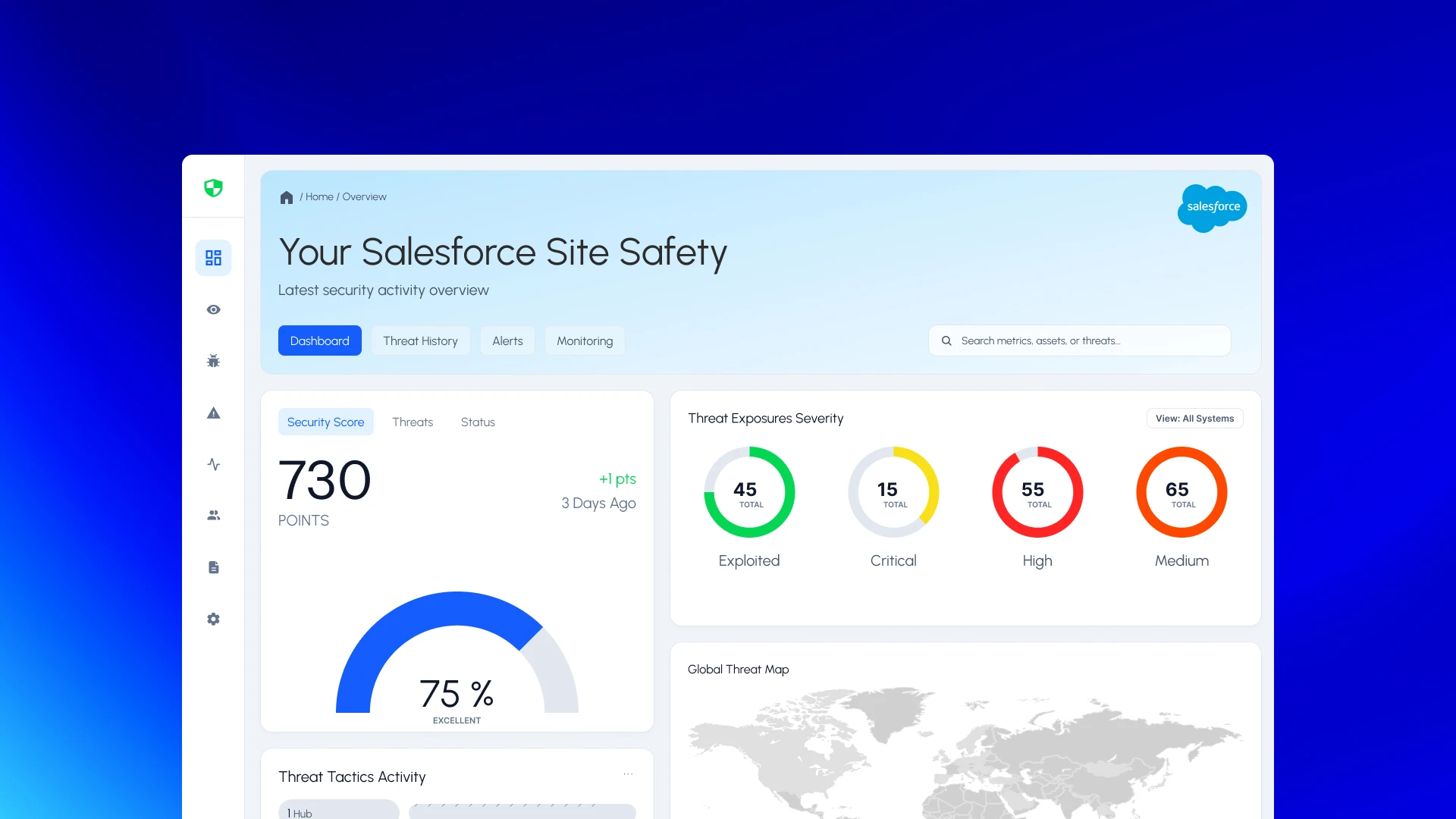
The point of TCTG’s ecommerce monitoring across Hush's environment wasn't to give them another dashboard. It was to provide visibility across the layers of an ecommerce operation that standard uptime monitoring rarely sees.
With visibility across site availability and checkout journeys, a broken transaction surfaces as an alert, not a support ticket. Server health, load times and Core Web Vitals, the performance signals that quietly bleed conversions. And underneath it all, the SFCC-specific layer: quotas, background jobs, APIs, error logs. The backend plumbing where most incidents actually start.
When malicious traffic appeared, the monitoring flagged it and the response was immediate: identify the source, block offending IPs and keep the site running for customers.
Being Live is Only the Beginning
"The site's live and it's running fine." That's usually where the attention stops, and where the risk starts. Almost nobody talks about the far less photogenic work of keeping a storefront standing once it's live and under pressure.
That's where revenue actually leaks. A checkout that lags on certain devices. A quota you brush against during a spike. Traffic that arrives without an invitation. All of this decides whether a peak day goes smoothly or becomes an expensive afternoon.
For Hush, the shift was quieter than a rescue and worth more than one. Monitoring moved from reactive firefighting to structured oversight. As Chintan Shah, our Head of QA Services, put it: "By combining structured monitoring with rapid response, we've helped build a more resilient and secure foundation for continued growth."

.svg)